
Explore our guide to orthodontic archwires, including NiTi archwires, copper NiTi wires and stainless steel archwires. Learn about the different wire types used throughout orthodontic treatment and how they support efficient tooth movement.
What Are Orthodontic Archwires?
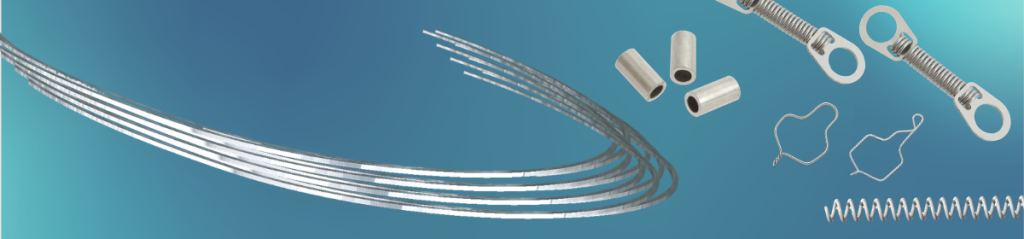
Orthodontic archwires are a key component of fixed appliance treatment, working alongside brackets and tubes to guide teeth into their desired positions. As treatment progresses, clinicians may utilise different wire materials and sizes to achieve specific treatment objectives while maintaining patient comfort.
Modern orthodontics offers a variety of archwire options, each with unique properties suited to different stages of treatment.
A-Z Orthodontics supplies a comprehensive range of orthodontic archwires suitable for every stage of treatment. Browse our orthodontic archwire products to find solutions from leading manufacturers.
Types of Orthodontic Archwires
Several orthodontic wire types are commonly used throughout treatment, including:
- Nickel Titanium (NiTi) Archwires
- Copper NiTi Archwires
- Stainless Steel Archwires
- Heat Activated Archwires
- Rectangular Archwires
- Round Archwires
Selecting the appropriate archwire can help improve treatment efficiency, control and patient comfort.
NiTi Archwires
Nickel Titanium (NiTi) archwires are widely used during the initial stages of orthodontic treatment. Known for their flexibility and shape memory properties, NiTi wires can deliver gentle and consistent forces over extended periods.
Benefits of NiTi archwires include:
- Excellent flexibility
- Shape memory characteristics
- Consistent force delivery
- Improved patient comfort
- Effective alignment of crowded teeth
NiTi wires are often the first archwires introduced during treatment.
Copper NiTi Wires
Copper NiTi archwires incorporate copper into the nickel titanium alloy, providing enhanced thermal properties and more controlled force delivery.
These archwires are commonly used where clinicians require:
- Predictable force levels
- Improved treatment control
- Enhanced wire performance
- Efficient tooth movement
Copper NiTi wires remain a popular choice for many modern orthodontic systems.
Stainless Steel Archwires
Stainless steel archwires are frequently utilised during the later stages of treatment when greater control and rigidity are required.
Advantages include:
- Excellent strength
- Precise tooth control
- Reduced friction
- Durability
- Finishing and detailing capabilities
Stainless steel wires are often used for space closure, finishing and final treatment adjustments.
Why Buy Orthodontic Archwires from A-Z Orthodontics?
A-Z Orthodontics supplies a comprehensive range of orthodontic archwires suitable for modern fixed appliance treatment. Our range includes NiTi archwires, copper NiTi wires and stainless steel archwires from trusted manufacturers, helping clinicians achieve reliable and predictable treatment outcomes.
FAQs
Orthodontic archwires are wires used within fixed braces to apply controlled forces that move teeth into their desired positions.
NiTi archwires are more flexible and are commonly used during initial alignment, while stainless steel archwires provide greater rigidity and control during later treatment stages.
Copper NiTi wires are nickel titanium archwires that incorporate copper to provide enhanced thermal properties and controlled force delivery.
Stainless steel archwires are typically used during the working and finishing stages of orthodontic treatment where greater control is required.
Different orthodontic wire types provide varying levels of flexibility, force delivery and control, allowing clinicians to progress treatment efficiently and predictably.